One of the most common questions I hear from homeowners is, "What's the price per square foot in my neighborhood?"
It's a fair question. Price per square foot is easy to calculate, easy to compare, and easy to find online. The problem is that many people give it far more weight than it deserves.
Price per square foot can be a useful data point, but it is rarely a reliable way to determine the value of an individual home.
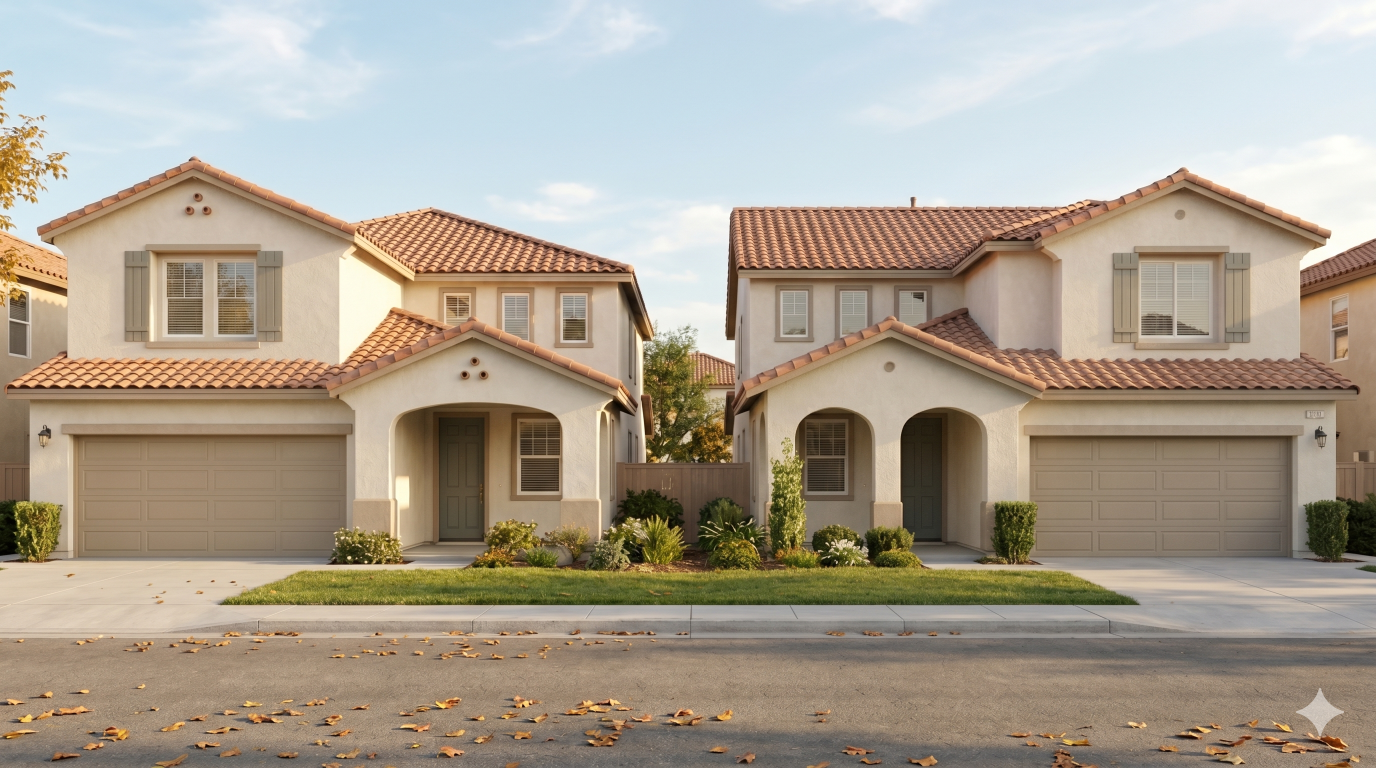
For example, two homes with the exact same floor plan can sell for dramatically different prices. Why? Because buyers don't purchase square footage. They purchase a complete package.
Location plays a role. A home on a quiet cul-de-sac will often command a premium over the same model on a busier street. Views matter. Lot size matters. Condition matters. Upgrades matter. Even factors such as privacy, natural light, outdoor living space, and functional improvements can significantly influence value.
In Oceanside, I regularly see model-match homes sell tens of thousands of dollars apart. Sometimes the difference exceeds $100,000. The square footage hasn't changed, but the overall desirability of the property has.
This is one reason online home value estimates can sometimes miss the mark. Algorithms tend to rely heavily on broad data points and recent sales, but they cannot always account for the details that buyers notice when they walk through a home.
When determining value, I look at price per square foot, but it's only one piece of a much larger puzzle. Comparable sales, neighborhood trends, condition, location, lot characteristics, buyer demand, and current competition all deserve consideration.
The next time someone tells you what your home is worth based solely on price per square foot, remember this: the market doesn't pay for square footage equally. It pays for desirability.
If you're curious about your home's value, the best approach is a detailed analysis that considers the factors that make your property unique—not just the number of square feet it contains.
Check out this article next