Smart Home Technology: What I Use, What I Love, and What I'd Recommend
By Doug West | Doug West Group
Smart home technology has come a long way. What once seemed like something out of a science fiction movie is now part of everyday life for many homeowners, including me.
Over the years, I've incorporated quite a bit of smart technology into my own home. Some devices have become so useful that I can't imagine going without them. Others are nice conveniences, but not necessarily worth the investment for everyone.
As a Realtor, I also see how buyers respond to these features. While smart technology doesn't automatically increase a home's value, the right devices can make a home more comfortable, secure, and convenient.
My philosophy is simple: Technology should make your life easier. If it doesn't, why bother?
Here are some of the smart home features I use, what I've learned from experience, and what I'd recommend to homeowners considering adding technology to their own homes.
1. Smart Security: More Than Just Peace of Mind
Security is one of the most practical reasons to incorporate smart technology into your home.
I have a video doorbell and exterior security cameras that allow me to monitor activity around the house. Obviously, security is the primary benefit, but I've found these devices useful in other ways, too.
For example, if someone I know comes to the front door while I'm away, I receive an alert and can respond accordingly. It's a small convenience, but one that makes managing everyday life a little easier.
Going keyless
Smart door locks are another feature I appreciate.
I've used fingerprint-enabled locks that allow everyone in the family to access the house without carrying a key. It's convenient, particularly when someone forgets their keys or has their hands full.
Depending on the system, smart locks can also provide a record of when the door was accessed. When my kids were younger, and even now that they're in their twenties, it's been helpful to know when someone gets home.
Of course, I wouldn't recommend relying exclusively on a fingerprint reader or phone to access your house. Batteries die, electronics malfunction, and technology isn't always dependable.
Make sure you have a backup method of entry.
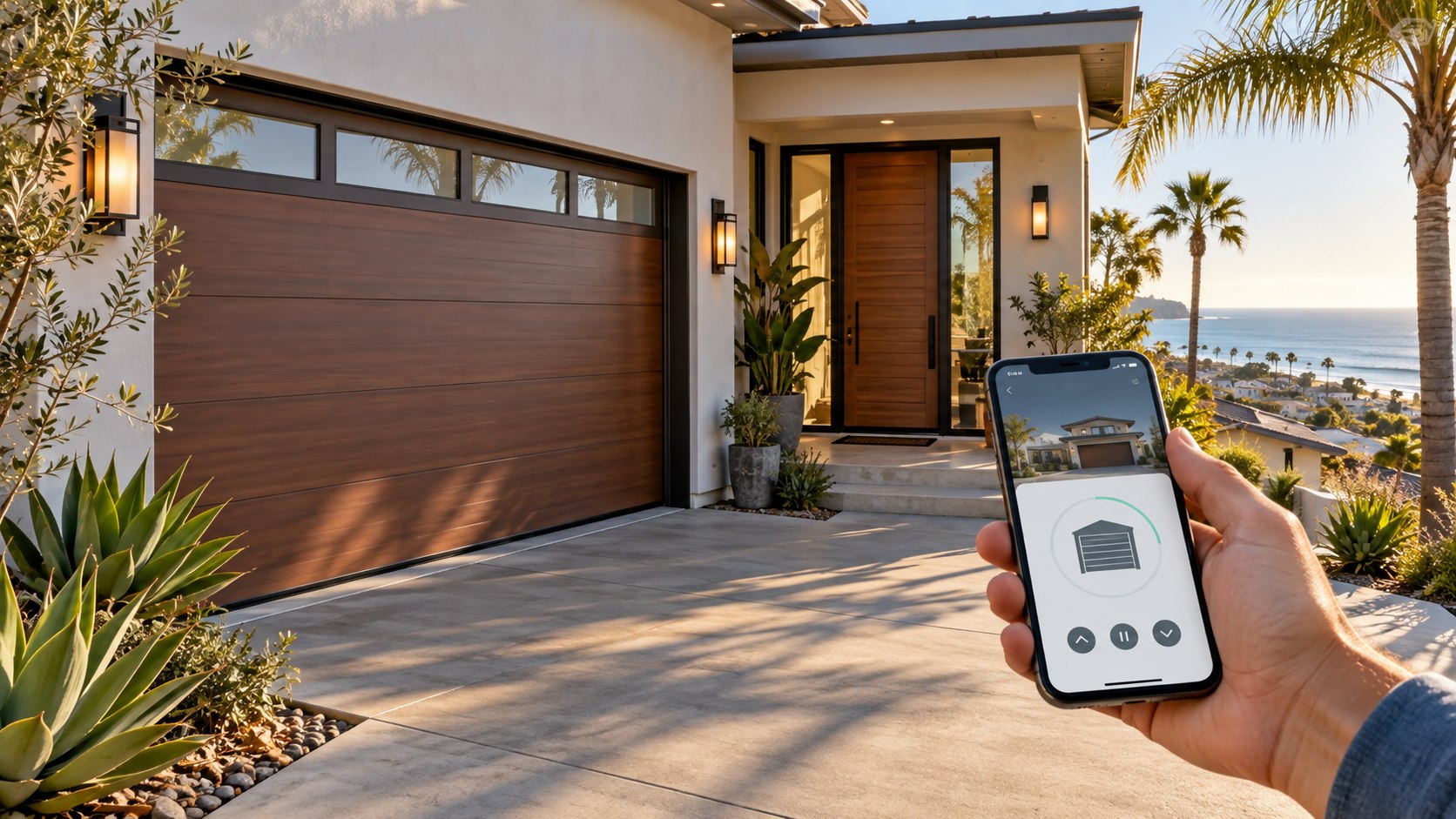
2. My Smart Garage Door: One of My Favorite Features
Of all the smart devices I've installed, my garage door opener is one of my favorites.
I can't tell you how many times I've driven away from home and wondered, "Did I remember to close the garage door?"
In the past, that might have meant turning around and driving home to check. Now, I can simply look at my phone.
My smart garage door system allows me to check whether the door is open or closed, see when it was last operated, and control it remotely.
It's a relatively simple feature, but it provides both convenience and peace of mind.
For homeowners who travel frequently or spend long hours away from home, being able to check the garage remotely can be particularly useful.
And if you're like me and occasionally question whether you closed the garage door, this is one technology you'll probably appreciate.
3. Smart Lighting: Convenience Inside and Outside
Smart lighting is another technology I use regularly.
Some of my lights are programmed to turn on and off at specific times, while others can be controlled through an app or remote.
I particularly like being able to adjust the brightness and color of certain lights depending on what we're doing.
Sometimes you want bright lighting. Other times, particularly in the evening, softer lighting creates a more comfortable atmosphere.
The ability to make those adjustments without replacing fixtures or installing complicated controls is a nice benefit.
Outdoor lighting makes a difference

We enjoy spending time in our backyard, and smart lighting has made that space more functional.
Our basic landscape lighting operates on a timer, but the string lights along our fence, which we purchased at Costco, are controlled through a smart app.
If we're entertaining or I'm outside using the barbecue and need additional lighting, I can make adjustments without having to go inside or find a conventional switch.
It's a simple example of technology improving the way we use our home.
Smart lighting can also be useful when you're traveling. Scheduling certain lights to turn on and off can help make your home appear occupied while you're away.
For homeowners interested in trying smart technology without making a major investment, smart bulbs are a relatively easy place to start.
4. My Nest Thermostat: Comfort and Convenience
I have a Nest thermostat, and it's one of the smart devices I appreciate most.
The thermostat can automatically adjust temperatures based on its settings and household patterns, but what I particularly like is being able to control the heating and air conditioning when I'm not home.
If I'm away and realize the AC is running unnecessarily, I can turn it off from my phone.
Conversely, if I'm heading home and want the house to be comfortable when I arrive, I can adjust the temperature before I get there.
It's also helpful when we're traveling.
Depending on how a thermostat is configured and how you use it, automated temperature adjustments can reduce unnecessary heating and cooling. Actual energy savings will vary.
For me, the convenience alone makes this a worthwhile feature.
A useful tool when selling a home
As a Realtor, I also appreciate how a smart thermostat can help sellers manage their property while it's on the market.
If a seller has already moved out or is away from home, they can remotely adjust the temperature before scheduled showings.
Nobody wants to walk into an uncomfortably hot house on a warm afternoon.
A comfortable interior helps buyers focus on the home itself rather than the temperature.
The same principle applies to smart lighting. If certain rooms are dark, having the ability to turn on lights before a showing can help ensure the home presents well.
These aren't necessarily improvements that increase the property's appraised value, but they can make the showing experience more comfortable and inviting.
5. Smart Irrigation: Helpful, With One Drawback
Living in Southern California, managing outdoor water use is an important part of homeownership.
I have a smart irrigation controller that allows me to manage my watering schedule from my phone.
I can adjust watering days and run times, see when the system last operated, and check how long it ran.
The controller also uses weather information to adjust watering automatically.
That's particularly helpful when conditions change and your landscaping doesn't need the same amount of water every day.
However, there's one feature I miss from my old irrigation controller: the ability to easily make adjustments directly from a screen in the garage.
With my current system, I have to use my phone to make those changes.
It's not a major problem, but it illustrates something worth considering before purchasing any smart device.
Sometimes the convenience of controlling something remotely comes at the expense of having simple, accessible controls at home.
Before purchasing a system, think about how you'll actually use it and whether everyone in your household will be comfortable operating it.
6. The Smart Home Upgrade I Wish I'd Had Years Ago
One of the most important smart home upgrades I'm planning isn't about convenience. It's about preventing expensive damage.
Several years ago, a water line connected to a bathroom sink in my home leaked downstairs throughout the night.
By the time the problem was discovered, the damage was extensive.
The repairs cost tens of thousands of dollars.
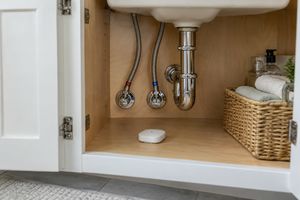
That's why I'm planning to install a smart water leak detection and automatic shutoff system.
These systems can monitor for potential leaks and, depending on the equipment and installation, automatically shut off the home's water supply when a problem is detected.
Some systems also provide phone alerts so homeowners can respond when they're away.
Had I installed an appropriate system before my bathroom water line failed, it might have detected the problem and shut off the water before so much damage occurred.
Of course, no device can guarantee that every leak will be detected or that all water damage will be prevented.
But after experiencing a major water leak firsthand, I consider automatic water shutoff a worthwhile investment.
For homeowners who travel frequently, own a second home, or simply want additional protection against unexpected plumbing failures, it's a technology worth investigating.
I'm planning to install my system in November, and I'll be interested to see how it performs.
7. Smart Technology and Home Value: A Realtor's Perspective
One question homeowners frequently ask about improvements is whether they'll increase the value of their property.
With smart home technology, the answer depends on the specific improvement and the property.
Buyers generally appreciate features that make a home easier to manage, more comfortable, or more secure.
However, installing a smart doorbell, thermostat, or garage door controller doesn't necessarily mean your home will sell for more money.
I view most of these devices primarily as conveniences rather than major value-adding improvements.
If you're preparing to sell, I wouldn't recommend spending thousands of dollars installing smart technology solely in the hope of recovering that investment through a higher sales price.
Instead, focus on features that improve the home's everyday functionality and presentation.
For example, a smart thermostat can help maintain a comfortable temperature during showings, and automated lighting can ensure that darker rooms are properly illuminated.
Those are practical benefits that can improve the experience of visiting a home.
A word of caution about cameras and recording devices
Here's something I regularly tell my buyers: When you're touring a home, assume that the seller may have cameras or other devices capable of recording audio or video.
Many homes have video doorbells, security cameras, and other connected devices.
I advise buyers to save sensitive conversations about their negotiating position, budget, or how much they're willing to pay until after they've left the property.
I've seen firsthand how overheard conversations can affect a transaction.
In one instance, a seller heard a buyer express how much they loved the house. The seller interpreted that enthusiasm as a reason to hold firm on the asking price.
The buyer liked the property, but not at the price the seller wanted. Ultimately, the transaction didn't happen.
The lesson applies to sellers, too. A buyer's enthusiasm during a showing doesn't necessarily mean they're willing to pay the asking price.
It's important not to confuse emotional reactions with a buyer's actual negotiating position.
Recording laws and privacy expectations also matter. Homeowners should understand the applicable rules before using devices to record visitors, particularly when audio is involved.
What happens to smart devices when a home sells?
Another consideration is what happens to installed technology when ownership changes.
Permanently installed smart devices may be included in the sale, but buyers and sellers should confirm exactly what conveys under their purchase agreement.
Buyers should also ask about subscriptions, compatible apps, and whether the seller will transfer administrative access.
Sellers should remove their personal accounts and access permissions from devices being transferred, following the manufacturer's ownership-transfer instructions.
Nobody wants to move into a new home only to discover that the previous owner still has access to the security cameras or smart door locks.
8. Before You Buy: Keep It Simple
Smart home technology is constantly improving, and there's always another device promising to make life easier.
But just because something is new doesn't mean you need it.
Before investing in a new device, I recommend asking yourself a few simple questions:
- Will I actually use this feature regularly?
- Does it solve a problem or meaningfully improve my daily routine?
- Is it easy for everyone in my household to operate?
- Are there subscription fees or ongoing maintenance costs?
- What happens if the power goes out, the Wi-Fi stops working, a battery dies, or I don't have my phone?
That last question is particularly important.
I've experienced Wi-Fi issues, and battery-powered devices can stop working when their batteries die.
Whenever possible, I prefer hardwired devices for reliability, although they also need an appropriate backup if power is interrupted.
For something as important as accessing your home, make sure you have an alternative method that doesn't depend entirely on your phone, Wi-Fi, or a working battery.
The goal is to make your home more convenient, not more complicated.
9. Where Would I Start?
If you're interested in adding smart technology to your home but aren't sure where to begin, I'd consider three devices that I use regularly.
A video doorbell
A practical way to monitor activity at your front door, receive alerts, and respond to visitors when you're away.
A smart thermostat
Convenient remote temperature control, automated scheduling, and the potential to reduce unnecessary heating and cooling.
A smart garage door controller
One of my personal favorites for checking whether the garage is closed, reviewing activity, and controlling access remotely.
Many homeowners already have one or more of these devices. If you do, consider whether you're taking full advantage of their features before purchasing something new.
For homeowners concerned about potential plumbing failures, I'd also look seriously at water leak detection and automatic shutoff systems.
And while motorized window shades are still on my wish list, their cost has kept me from making that investment so far. They're an example of a technology that could be extremely practical for certain windows, but the expense needs to make sense for the homeowner.
Final Thoughts: Technology Should Work for You
I've enjoyed incorporating smart technology into my home, and I expect I'll continue adding devices as the technology improves.
But I don't believe every homeowner needs the latest gadgets or a fully automated house.
Some of the most useful features are also the simplest.
For me, being able to check whether I closed the garage door, adjust the thermostat while I'm away, or turn on the backyard lights from my phone makes everyday life a little easier.
And after experiencing a costly water leak, I'm particularly interested in technology that can help prevent serious problems before they become expensive repairs.
My advice is to start simple. Try a device that addresses a specific need, get comfortable using it, and add more technology as it makes sense.
A smarter home isn't necessarily one with more technology. It's one where the technology you have makes your life easier.
About Doug West
Doug West is a Realtor with First Team Real Estate and leads the Doug West Group, specializing in residential real estate in Oceanside and North San Diego County. A longtime Oceanside resident and former educator, Doug helps homeowners understand their options and make informed real estate decisions.
For more information about Oceanside real estate, visit
DougWestHomes.com
Check out this article next