Understanding Proposition 13, Mello-Roos, and the tax benefits that could affect your next move.
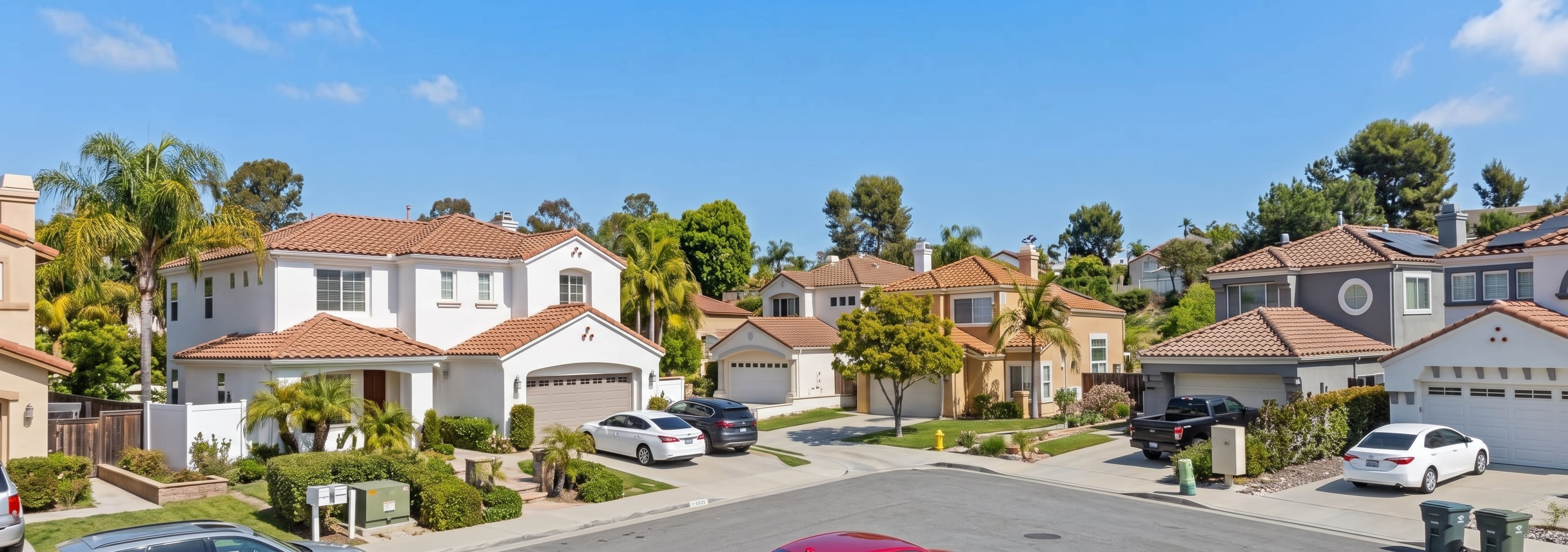
Have you ever wondered why two nearly identical homes on the same street can have dramatically different property tax bills?
One homeowner might pay $4,000 annually, while a neighbor with a similar home pays $10,000 or more. Both properties may have nearly the same market value, yet their tax obligations are very different.
For most longtime California homeowners, this isn't surprising. But even if you've owned your home for years, it's worth occasionally reviewing how your property taxes are calculated and what you're actually paying for.
There are also a few opportunities and potential savings that homeowners may not realize exist.
Proposition 13: Why Your Purchase Date Matters
California's Proposition 13 generally establishes a property's assessed value when it is purchased. From that point forward, the assessed value typically increases by no more than 2% annually, or the applicable inflation rate if lower.
Consider two similar Oceanside homes, each currently worth approximately $1 million.
One homeowner purchased in 2005 for $400,000. Another purchased a comparable property recently for $1 million.
The longtime owner's assessed value may be substantially lower, even though the homes have similar market values.
That's one reason property taxes can vary so dramatically from one neighbor to another.
The basic property tax rate is 1% of assessed value, plus applicable voter-approved bond charges and other assessments.
There are exceptions and additional rules, including reassessments following certain ownership changes or new construction. Properties that experience declines in market value may also qualify for temporary assessment reductions.
Mello-Roos: The Charge Many Homeowners Don't Fully Understand
One of the most misunderstood parts of property taxes is Mello-Roos.
Mello-Roos taxes are special taxes associated with Community Facilities Districts, commonly called CFDs. These districts help finance public improvements and, in some cases, ongoing services.
Depending on the district, that funding may support schools, roads, parks, infrastructure, or other community facilities and services.
In Oceanside, some neighborhoods have Mello-Roos taxes while others do not.
What homeowners sometimes overlook is that these charges can be funding improvements that otherwise might require another financing mechanism, such as voter-approved bonds or other public funding.
In other words, the presence of Mello-Roos doesn't necessarily mean homeowners are paying for something they wouldn't otherwise help fund. The important distinction is how the costs are allocated and collected.
Can Mello-Roos Be Paid Off or Expire?
Sometimes, yes.
Certain Mello-Roos districts allow homeowners to make a lump-sum prepayment to eliminate future taxes associated with a particular bond obligation. Other districts have scheduled expiration dates.
However, not all Mello-Roos charges can be prepaid, and some districts collect taxes for ongoing services that may continue after construction bonds have been repaid.
That's why homeowners should never assume their Mello-Roos charge is permanent or that it will automatically disappear when a particular bond is paid off.
If your tax bill includes a Community Facilities District charge, find out:
- What does the assessment pay for?
- Is there an expiration date?
- Is any portion eligible for early payoff?
- If a payoff is available, how much would it cost?
- Would paying it off make financial sense based on how long you plan to own the property?
The answers depend on the specific district.
You can identify these charges on your property tax bill and contact the responsible agency for details.
Proposition 19: An Opportunity for Homeowners Considering a Move
For longtime homeowners, Proposition 19 may be one of the most valuable property tax provisions to understand.
Under qualifying circumstances, California homeowners age 55 or older can transfer their existing property tax base to a replacement primary residence anywhere in California.
Similar benefits are available to certain homeowners with severe and permanent disabilities and qualifying disaster victims.
For eligible homeowners age 55 or older, the benefit can generally be used up to three times.
Consider someone who purchased an Oceanside home decades ago and now wants to downsize.
Their current property may be worth considerably more than they originally paid, but their property taxes may still be based on a much lower assessed value.
Without a qualifying transfer, purchasing another home could result in a substantial increase in property taxes.
Proposition 19 may allow that homeowner to carry their existing tax base to the replacement property, subject to eligibility, timing, and valuation rules.
Even purchasing a more expensive replacement home may qualify, although the taxable value can increase depending on the relative values and timing of the transactions.
For homeowners considering downsizing, moving closer to family, or relocating elsewhere in California, this can make a meaningful financial difference.
Before selling or purchasing, it's important to understand how the rules apply to your specific situation.
What About Supplemental Property Taxes?
If you've recently purchased a home or completed certain construction projects, you may receive a supplemental property tax bill.
This is separate from your regular annual bill and reflects a change in assessed value for part of the tax year.
It's worth remembering because the bill may arrive months after the transaction or construction is completed.
Take a Closer Look at Your Property Tax Bill
Even if you've owned your home for many years, I encourage you to review your annual tax bill rather than simply looking at the total amount due.
Start with the assessed value. Does it appear consistent with your property's assessment history?
Then look at the exemptions and special assessments.
If you have a Mello-Roos charge, investigate what it funds and whether there are any payoff or expiration provisions.
Also check for the Homeowners' Exemption if the property is your qualifying principal residence.
And, of course, make sure you understand the payment deadlines.
For the 2026–2027 tax year in San Diego County:
- First installment: Due November 1, 2026. Pay by December 10, 2026, to avoid delinquency penalties.
- Second installment: Due February 1, 2027. Pay by April 12, 2027, to avoid delinquency penalties.
Helpful Property Tax Resources
These official resources can help you review your bill and find answers specific to your property.
San Diego County Treasurer-Tax Collector
Review your property tax bill, check payment deadlines, and make payments.
San Diego County Special Assessments
Look up special assessments associated with your property, including applicable Community Facilities District charges.
https://specialassessments.sandiegocounty.gov/
California State Board of Equalization: Proposition 19
Learn about eligibility, tax-base transfers, and the requirements for purchasing a replacement residence.
https://www.boe.ca.gov/Prop19/
San Diego County Assessor
Find information about assessed values, exemptions, assessment appeals, and property tax relief programs.
A Little Knowledge Can Make a Big Difference
Property taxes are an unavoidable part of homeownership, but that doesn't mean you shouldn't understand what you're paying or investigate opportunities that may apply to you.
The County Assessor's Office is an excellent resource for questions about assessed values, exemptions, and Proposition 19. For Mello-Roos, the agency responsible for the particular district can explain its charges and any available payoff options.
And if you're considering selling your home, downsizing, or relocating, I'm always happy to help you evaluate your options and explore how the financial pieces fit together.
Sometimes the most important real estate decision isn't simply what your home is worth. It's understanding what owning your current home, or your next one, will actually cost.
Doug West
Doug West Group | Oceanside Real Estate Specialist
Disclaimer: Property tax laws, assessments, exemptions, and eligibility requirements vary by property and individual circumstances. This article is intended for general educational purposes and does not constitute legal or tax advice. Consult the appropriate county agency or a qualified tax professional for guidance specific to your situation.
Check out this article next